


Mike Carnahan: Turning 25 Years of Experience Into Heavy Duty AI
Mike Carnahan’s journey from the high-octane world of performance automotive to pioneering AI solutions for heavy-duty trucking is a story of patience, expertise, and strategic relationships. Over 25 years, he transformed hands-on knowledge into scalable education platforms and, ultimately, a patented AI company designed to revolutionize fleet diagnostics.
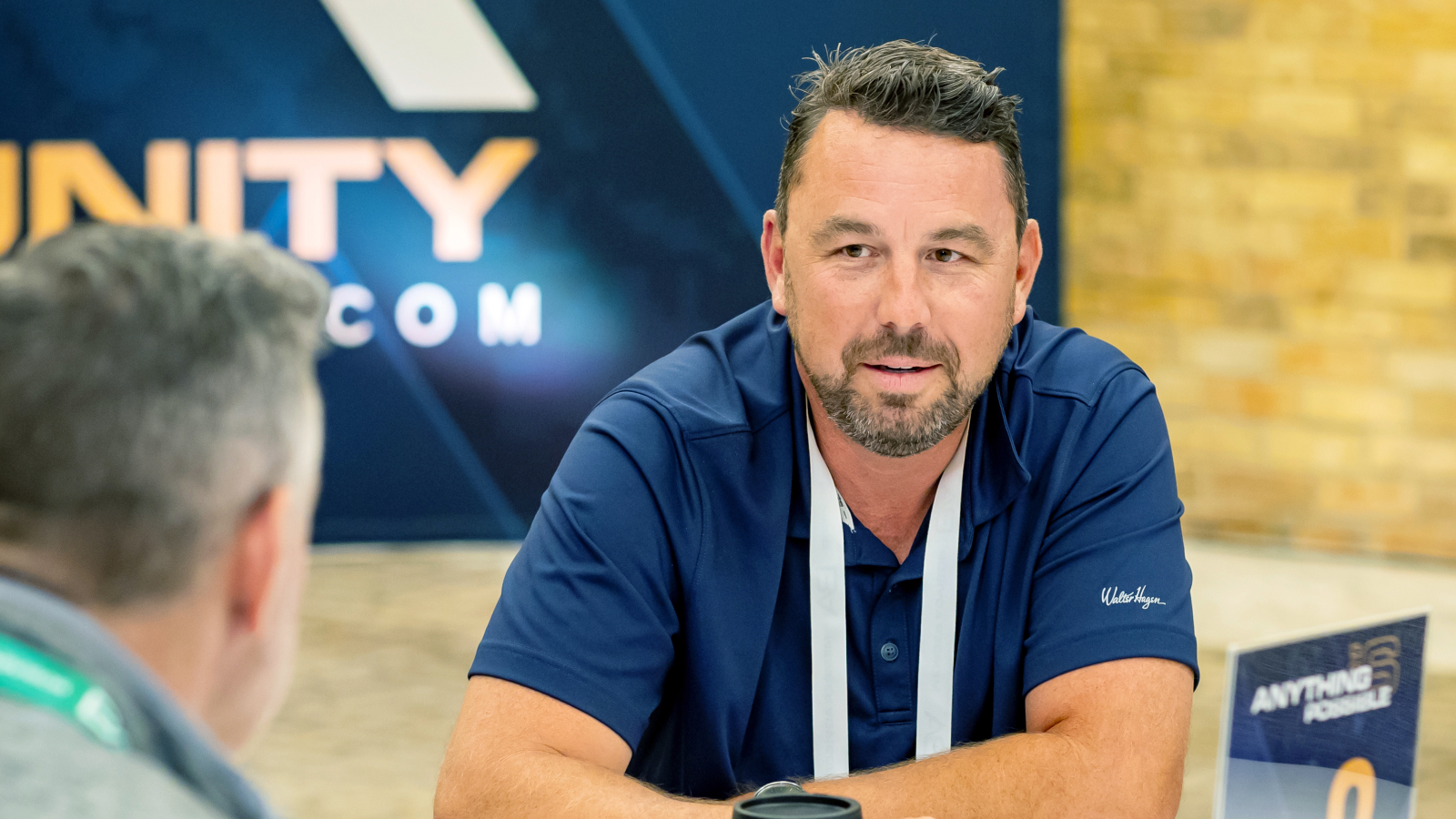
Interview
Mike Carnahan’s journey from the high-octane world of performance automotive to pioneering AI solutions for heavy-duty trucking is a story of patience, expertise, and strategic relationships. Over 25 years, he transformed hands-on knowledge into scalable education platforms and, ultimately, a patented AI company designed to revolutionize fleet diagnostics. In this interview, Carnahan reflects on the lessons that shaped his career, the creation of Heavy Duty AI, and the principles guiding his investments and partnerships today.
Q: Tell us about your background and how it shaped the development of Heavy Duty AI?
I live in St. Petersburg with my wife and our four kids. The company I’m focused on right now is called Heavy Duty AI. We’ve licensed proprietary data for the heavy-duty trucking industry and built an AI platform around it. We hold the patent on what we do, and we use AI agents to handle diagnostics for heavy-duty trucking fleets.
Heavy Duty AI is a new company, but it is the result of 25 years of experience. People often call it an overnight success, but it took decades to get here. This is my main focus now. We already have strong traction with contracts signed and are preparing to launch the product.
Q: What led you into this space? What is your background?
I came from the high-performance automotive space. I founded a company called Vengeance Racing in 2005, and later launched a software tuning company called Vengeance PCM that created tuning programs for high-performance cars. After that, I opened Elite Tuned School, which taught people how to do what I had learned through years of experience.
At a certain point, I realized the next evolution after mastering something is teaching it. That opened the door into education, which ended up becoming a major turning point for me.
“My goal was always to build systems that could scale without taking me away from my family.”
Q: Can you describe how your work in education grew and why you eventually stepped back?
We started with an online school during COVID and built digital courses teaching everything we had learned. The response was huge. Eventually, I partnered with a large education distribution company called Electude, which had over a million students. They licensed my content into colleges, technical schools, and high schools nationwide, which created immediate scale.
At the same time, I began teaching certificate programs at the University of Northwestern Ohio. Even though I never went to college myself, I was teaching at the largest high-performance automotive school in the country.
I loved teaching, but I was constantly flying and working 12-hour days, which became unsustainable. My goal was always to build systems that could scale without taking me away from my family. Eventually, I transitioned the program into a formal degree structure at the university so it could continue long term without me being hands-on.
Q: How did your previous work lead to the creation of Heavy Duty AI, and who is the target market?
Through education, I connected with many people in the automotive and software industries.
One of those relationships led me to John Stoeckinger, a leader in the heavy-duty space for more than 35 years, who had the blueprint for an AI company focused on trucking diagnostics. At first, I advised him to build it alone, but a month later he asked me to become his partner.
When I saw the potential, we rebuilt major parts of the software for performance and scalability, and now we are in full integration mode. Our platform is fully B2B, integrating directly with existing software companies, and those deals are already signed. The product is built, patented, and entering integration and beta testing.
Our goal is to build the company for exit. From the first major meeting with a large software company, they wanted to acquire us immediately, which confirmed the scale of what we are building.
“People often call it an oversight success, but it took decades to get here.”
Q: How has your involvement with a BA influenced your capital raising and investment approach?
We presented investment opportunities at BA a few times and ended up fully funded with a great group of BA investors. Aside from the approximately one million dollars that John Stoeckinger and I have invested in the company, all of the investment capital has come from the BA network.
The most valuable part of BA for me has been the relationships. It took time to fully understand, but BA is not about quick wins. It rewards people who play the long game. The longer you stay, the stronger the relationships become. You can’t just show up looking for the ask; you have to invest in people.
Q: What principles guide your business decisions and future priorities within BA?
Heavy Duty AI is my primary focus. Beyond that, I am repositioning capital from other ventures and investing in deals alongside people I am getting to know inside BA. I don’t rush decisions. I sit back, listen, and observe. Relationships come first.
Before doing business with someone, I want to know the real person, not the polished story. How do they handle adversity, treat people, and respond under pressure? Everyone has imperfections, and honesty about those imperfections tells me who I’m really dealing with. For anyone entering a group like BA for the first time, my advice is to play the long game. Build real relationships, don’t rush the outcome, and focus on trust. That is where real business, real opportunities, and real legacy come from.